Credit risk and market risk are two foundational pillars that asset-based finance investors know well. They shape how investors evaluate a transaction, assess potential exposure, and understand the factors that can affect portfolio performance.
But there's a third pillar that deserves the same attention: operational risk.
From verifying collateral and reconciling reports to evaluating service providers and maintaining oversight after closing, operational responsibilities play a direct role in protecting an investment. Yet, this work doesn't always receive the same deliberate scrutiny as credit and market risk, leaving gaps that can expose investors to problems long after a deal closes.
Closing a transaction doesn't bring the operational work to an end. Audits still need to be reviewed, findings addressed, and reports reconciled. By then, deal teams may already have turned their attention to the next transaction, leaving important follow-through at risk of being deferred.
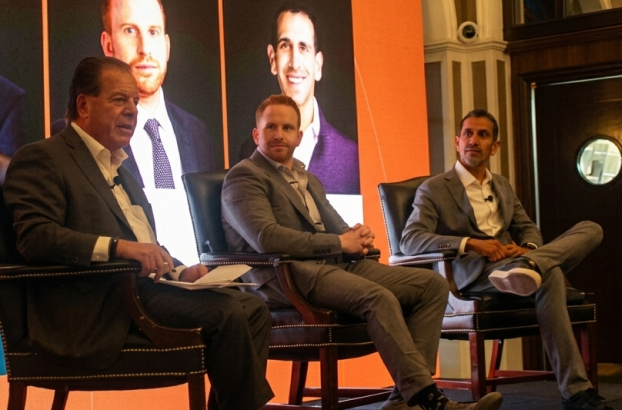
Nicole Byrns, Partner at Dumar Capital Partners, has seen this firsthand. In organizations where she worked without a separate team responsible for operational risk, she found herself moving on to the next deal while those responsibilities remained. As she recalled, "I had moved on from the deal. I didn't have time to look at the audit. I didn't have time to reconcile reports. So, as a result, things kind of crept up."
Reviewing an audit or reconciling a report only matters if someone acts on what they find. Without that follow-through, findings can remain unresolved and discrepancies can go unnoticed.
Some institutions assign this work to dedicated operational risk teams. Others place it within an existing function. Either way, responsibility needs to be explicit, and the people carrying it need the time and capacity to resolve what they uncover.
An asset-based finance transaction can involve several parties, each with its own records and view of the portfolio. The originator maintains its platform and loan data. The servicer produces reports and servicing tapes. The trustee has its records, and the lender uses information from these sources to calculate borrowing bases and monitor performance. Each participant has information to contribute. The question is whether anyone is checking how it all fits together.
Dhruv Vakharia, CEO of Concord, gets at the issue with a series of practical questions:
“Where's the data coming from? How many platforms are serving as a source of truth? Who is verifying the servicer report? Who is verifying the originator platform? Who is verifying the trustee report?”
Answering those questions requires more than collecting reports from each party. Someone has to compare the information, understand why figures differ, and determine whether an exception needs attention. A discrepancy may reflect reporting schedules or methodology, or it may point to an issue with the underlying data.
Dhruv noted that each party in an ABF transaction may be working from its own source of truth, leaving investors and lenders to reconcile information across originator platforms, servicing data, trustee reports, and their own calculations.
Investors need to know who is accountable for verifying the information and resolving discrepancies across the transaction. Without that clarity, each participant may fulfill its own reporting responsibilities while important differences remain unresolved.
Diligence gives investors a view of the assets and service providers supporting an investment before closing. But those conditions can change over the life of the investment. Collateral must remain verifiable, and providers must remain capable of carrying out their responsibilities. Relying solely on what investors established before closing can leave them making decisions based on assumptions that no longer hold.
Dhruv pointed to collateral as a key source of downside protection. Investors need to know the collateral exists and hasn't been pledged to multiple parties. They also need to know that someone can step in and service it if necessary. Without that ability, collateral may offer less protection than the transaction assumes.
Service providers warrant the same continued attention. Larry Chiavaro, President of LC Advisors Group, cautioned that diligence conducted a year earlier may no longer reflect a provider's circumstances or capabilities. Passing diligence once doesn't guarantee a provider can still perform the work it was evaluated to handle. Investors need to revisit those relationships and reassess whether the provider remains capable of meeting its responsibilities.
Investors need to revisit the assumptions supporting an investment and identify changes before they affect the portfolio's protection or performance. Diligence must remain an ongoing part of managing the investment.
Credit and market risk have established places in investment organizations. Nicole challenges investors to apply that same discipline to operational risk:
“If you have a credit risk management team and if you have a market risk management team, why do you not have an operational risk management team?”
For investors, that means making operational oversight an explicit part of how they evaluate and manage an investment, with clear ownership established before closing and carried through its life.
Concord provides primary and backup servicing for asset-based finance portfolios, helping investors and lenders maintain the servicing operations that support ongoing portfolio oversight.
4343 N. Scottsdale Rd., Ste. 270
Scottsdale, AZ 85251
NMLS ID 365917